

When asked to describe a typical week, digital practitioners across the cultural sector rarely recount the duties set out in their job descriptions. Instead, they tell stories of fixing broken systems late on a Friday afternoon, holding back-to-back meetings to justify critical infrastructure investments, and writing documentation at 9pm because there was simply no other time.
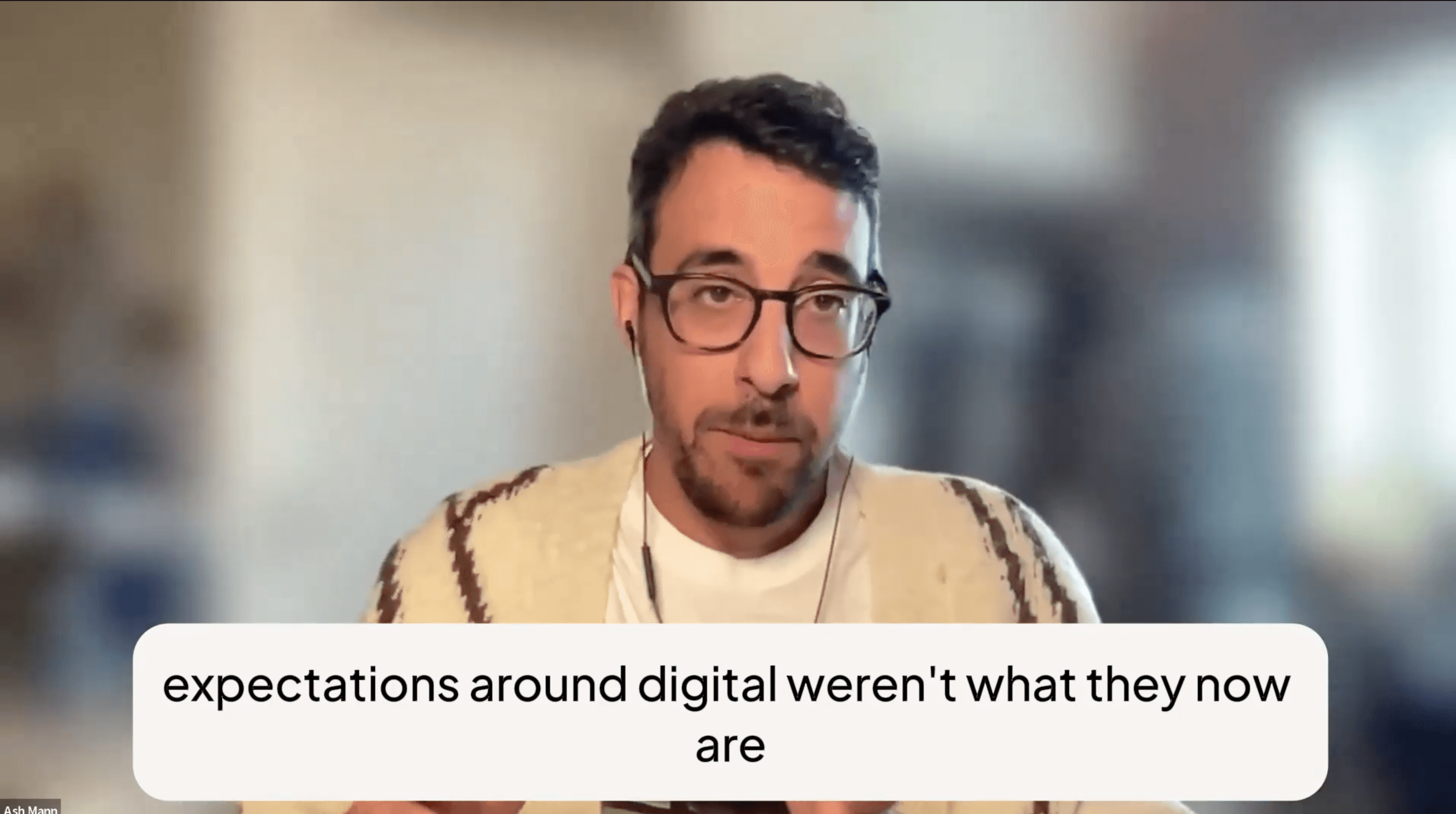
This stark disconnect between formal job specs and actual daily experiences formed the focus of a recent webinar hosted by Zoë Gorbier, Principal Strategy Consultant for Change and Transformation at Manifesto. The webinar was the launch event of 'The Hidden Cost'. A report Manifesto partnered on with Ash Mann exploring the hidden labour of digital work in the cultural sector, the impact of hidden digital work (which is often essential but rarely appears in a formal accounting of what 'the work' involves), and how to fix it. Drawing on 187 survey responses and 15 in-depth interviews across Europe, Oceania, and North America, the event spotlighted an issue that Ash described as both "structural and endemic".
This article covers the core findings of the Hidden Cost Report, including the levels of hidden work, capacity loss, and staff burnout, along with essential first steps organisations can take to address the issue.
Defining the "hidden work"
The report defines hidden work as necessary, non-optional labour that sits completely outside formal job specs and remains poorly understood by colleagues.
During the presentation, Ash broke this down into four distinct levels of visibility:
- Level 1 (Actively suppressed): Practitioners notice necessary tasks but keep quiet because highlighting them leads to being given sole responsibility without additional support.
- Level 2 (Structurally invisible): The work is carried out continuously but exists in no official project plan.
- Level 3 (Visible output, invisible effort): Colleagues celebrate the end results but fail to appreciate the heavy lifting required behind the scenes.
- Level 4 (Acknowledged but unresourced): The organisation agrees the work is essential, but fails to allocate formal budget or staff capacity to it.
Crucially, the research revealed that the largest categories of hidden work are not complex technical bugs; they are relational. As Ash pointed out, digital staff are constantly forced to "operate horizontally inside organisations that are built and run vertically."
The scale of lost capacity and staff burnout
The operational and human cost of this invisible labour is staggering. The majority of survey respondents reported losing between half a day to a full working day every week to hidden tasks, leading Ash to conclude that cultural organisations are effectively operating with at least 20% less digital capacity than they assume.
This strain is pushing teams to breaking point:
- 72% feel worn out at the end of their working day.
- 58% feel emotionally drained.
- 62% have actively considered leaving their roles over the past 12 months. A figure that jumps to 71% among team leads and heads of function. A live poll during the webinar reflected similar sentiments, with over half the attendees admitting to having considered leaving.
"People come into these sectors not because they're like, 'I'm going to make my millions.' It's because they love what they're doing... so it's really sad when we see such great, talented people just feeling so trapped by these circumstances." - Zoë Gorbier
Addressing practitioners directly, Ash reassured attendees that burnout is not an individual failing: "The exhaustion that you might be experiencing isn't a sign that you are managing badly. It's what these conditions produce in almost everyone, almost everywhere."
Unpacking root causes: leadership gaps, legacies, and "doom loops"
When asked why this work goes unrecognised, 70% of survey respondents pointed directly to a lack of digital understanding at leadership or executive level. Only 11% felt their wider organisation actually understood what their role entailed.
This misunderstanding fuels what Ash labels the "doom loop". Unplanned maintenance and firefighting consume so much time that teams have zero capacity to fix the underlying broken systems generating the extra workload in the first place.
Zoe observed how frequently Manifesto encounters this exact phenomenon during client projects: “We see the ‘doom loop’ so much where we'll come into an organisation looking at a new digital strategy... and you can see this excitement and then the dread of 'How are we going to do that? We've got so much already on our plates.'"
The problem is further compounded by sector habits, such as project-based funding models that cut off investment right at the point of launch, leaving long-term iteration and maintenance un-resourced. Furthermore, a widespread culture of conflict avoidance prevents frank conversations about what work should be stopped. Quoting Emily Charles from the Imperial War Museum, Ash shared how one team found themselves managing seven separate legacy website products with no clear ownership or exit strategy simply because "there never seems to be a decision to stop doing things."
Zoë and Ash also touched upon the hype around AI, warning that rushing to adopt shiny tools will not solve structural issues. Ash quoted consultant Tom Loosemore who succinctly put it, "AI can make a well-run organisation extraordinary and a messy one an extraordinary mess faster."
What needs to change?
The webinar emphasised that solving hidden digital labour is fundamentally a prioritisation problem rather than just a resource or technology issue. Practitioners listed clearer responsibilities, better governance, and leadership support far higher on their wishlist than new tools or additional headcount.
To move forward, Ash outlined three essential steps:
- Describe it: Name and map the invisible tasks that take place behind the scenes.
- Quantify it: Translate the operational burden into language executives act upon, focusing on capacity loss, project delays, and infrastructural risk.
- Legitimise it: Recognise maintenance, governance, and horizontal coordination as valuable core work rather than uncounted overhead.
As Zoe highlighted, framing issues around risk and evidence provides a way to depersonalise the conversation: "Data is a tool for that, and evidence... You can't argue with numbers and evidence... Internal teams can start going, 'These are the risks, and if you don't do this, this is actually the outcome.'"
While the findings paint a challenging picture, both speakers stressed that because these conditions were human-made, they can also be changed. By exposing hidden work and formally legitimatising digital maintenance, cultural organisations can begin protecting their teams and building sustainable digital foundations for the future.
The full Hidden Cost Report, complete with detailed datasets, frameworks, and recommendations, is available to download at https://hiddencost.ashmann.co/
Watch the full video from the webinar on our YouTube channel: https://www.youtube.com/watch?v=kpz13SceZvY