We work with some of the UK's largest museums, galleries, theatres and heritage organisations, and independent visitor attractions. They mostly face the same challenge: growing reach and income without growing budgets. Our digital transformation work turns the collections, stories and visitor data you already own into bigger audiences, deeper engagement and income that funds the mission.
Our clients
The problems cultural organisations bring to us
The challenges cultural organisations face are not just about technology. These are the four problems we hear most often across the arts and culture sector.
Not sure which challenge to start with? Get in touch to start a conversation about where you stand and what to do first.
Everything your cultural organisation needs, in one partner
We're a digital agency for the arts and culture sector that brings strategy, audience experience and technology together in one team. The problems above are connected — a single audience view only pays off if programming and campaigns are built on top of it — so our work is organised into three pillars:
Strategy, insight and transformation
- Digital and data maturity audit and strategy — an evidence-based picture of where you stand and what to fix first.
- AI strategy development — deciding what AI is actually for in your organisation before you build anything.
- Change management and capability building — audience-driven product strategy and the skills to keep it going after we leave.
The result
You end up with a plan your board can fund and a team that can defend it.
Grow and engage your audiences
- CX strategy — mapping the journey from first interaction to repeat visit.
- Audience development and membership journey design — turning one-off visits into ongoing engagement.
- Martech strategy and CRM implementation — selected and integrated to fit the experiences you want to deliver.
- Digital marketing, SEO and performance marketing — reaching new audiences at a cost you can sustain.
The result
Fewer one-off visits and more people who come back, join and give.
Technology to scale your impact
- Website design and development — platform-agnostic builds, from established CMSs like Drupal and Umbraco to headless architectures, with accessibility and WCAG compliance designed in.
- Ticketing and CMS integration — connecting ticketing systems to your website, CRM and reporting.
- Online collections, digital product development and data architecture — making what you hold discoverable, and building the foundations a single audience view depends on.
The result
What you get is an estate that grows with your ambition instead of limiting it.
Who we work with: every kind of cultural organisation
Museums and galleries.
Collections access, online collections, ticketing and visitor data, and the museum digital experience that holds it together.
Theatres and performing arts organisations.
Box office and CRM integration, membership, and audience development between productions.
Heritage organisations and historic sites.
Membership, fundraising and conservation storytelling across distributed estates with fragmented data.
Libraries and archives
Digitisation, discovery and accessible online access to collections.
Arts charities and cultural membership bodies.
Supporter journeys, a single supporter view and income diversification.
Visitor attractions.
Day-visitor ticketing, membership and renewals, a single view of visitors across ticketing and CRM, and conservation storytelling.
Digital transformation for cultural organisations
Digital transformation for cultural organisations means changing how you reach audiences and how you operate, at the same time. Visitor-facing, that's online collections, immersive interpretation, accessible websites and global reach. Behind the scenes, it's ticketing, CRM, content and data systems that connect, so decisions rest on evidence. In practice, most programmes:
- Join up visitor and supporter data across ticketing, membership and fundraising
- Modernise the platforms running the website, collections and box office
- Extend the experience beyond the building
- Build the capability to keep improving once the work is done
How we work: transformation through doing
We believe the best way to transform is by doing, shipping real work early, learning from how visitors actually use it, and building your team's skills as we go. Every cultural sector engagement runs through the same four phases, sequenced around your funding cycle.
Strategy, data, technology and culture move together from day one.
AI in the culture sector: from experiments to an adoption plan
You're probably already experimenting: collections linking and discovery, translation, back-office efficiency. But like most cultural organisations, those pilots are scattered, with no plan connecting them to the mission. We work across three areas:
Strategy
A governed roadmap that judges use cases on value, strategic alignment, and feasibility.
Engagement
Personalisation and discovery that deepen visitor and member relationships without adding to your team's workload.
Technology
The integrations, workflows and capability building that take a use case into production.
Read more about our <Link 'AI strategy consultancy': AI Strategy Consultancy page>.
AI Wayfinder
AI Wayfinder is our 10-week programme that takes purpose-led organisations from scattered AI activity to a roadmap they can fund and govern. Five sprints take you from orientation through to a phased roadmap and business case. For cultural organisations, it usually surfaces audience engagement and collections discovery use cases first
What museum leaders say
Our strategic partnership with manifesto over the past six years has delivered exceptional results. Our website looks and performs better than ever, and continues to go from strength to strength… It is refreshing to work with a digital agency that consistently understands exactly what we need, nurtures ideas and delivers solutions that simply work.
Dan Coleman, Senior Digital Product Manager - Royal Museums Greenwich
manifesto weren't just a delivery agency in this process, but valued partners who helped shape the strategy of the site, the user experience, how we connected with audiences, and the technical delivery under the hood…
Charles Bodsworth, Assistant Director, Digital Transformation - Imperial War Museums
Results for museums and cultural organisations
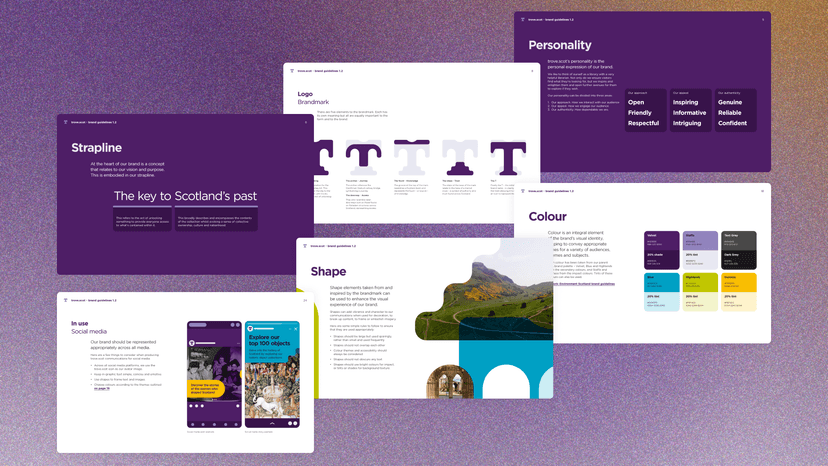
3 million heritage records unified in one search
Users had to jump between four or five separate websites to find anything. We built trove.scot: a single discovery platform with machine-learning-cleaned metadata, map and keyword search.

48% improvement in booking conversion
Bookings leaked through a third-party checkout that hid data from the teams who needed it. We built a bespoke front end on the Galaxy API, letting teams track behaviour live.

Legacy website, new brand: a cost-effective digital transformation story
A lean digital refresh powered by smart, accessible design.
Our commitments
Accessible by default
We build to WCAG 2.2 AA as a minimum and test with real assistive technology.
Sustainable builds
We measure the carbon impact of every platform, so growth doesn't come at the planet's expense.
Responsible, ethical AI
We build governance and human oversight into every use case to ensure implementation is aligned with your values.
Inclusive, human-centred design
Our teams and our work reflect the communities you serve.
Tell us what's holding you back
Disconnected systems, an audience you can't see clearly, or an AI pilot with nowhere to go? Let's start with a 30-minute, no-obligation conversation about your digital and data estate. No sales pitch.
From our thinking
The hidden cost of unseen digital and what to do about it
Unseen digital work is driving burnout. Discover practical ways every level can take action.
The martech strategy gap: Why purpose-led organisations need more than new tools
Bridge the martech strategy gap: start with the change you want to make, not new tools.
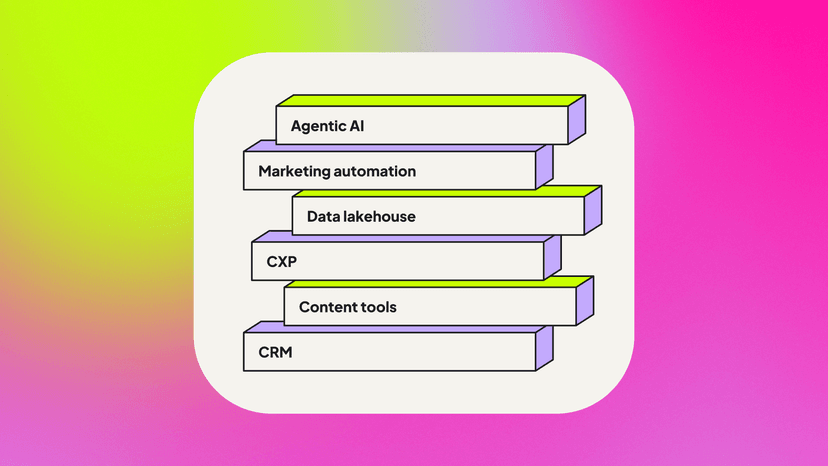
How to choose the right martech stack for purpose-led organisations
A guide on auditing, selecting, and aligning marketing tech with audience needs to drive change
Curating Connection: Transforming visitor engagement in the cultural sector
Explore a practical blueprint for cultural sector visitor engagement, with data-led strategies to connect audiences before, during and after visits.

Reimagining the family experience: unlocking visitor numbers through data and digital
How can attractions and cultural spaces evolve their digital strategies to meet the needs of the family market and unlock exciting new growth opportunities?
Frequently asked questions
What is digital transformation in the museum industry?
Digital transformation in the museum industry means joining up visitor-facing and operational digital activity. It covers online collections, accessible websites and immersive interpretation on one side, and ticketing, CRM, content and data systems on the other, so a museum can reach more people and understand them.
How is AI transforming museums?
Museums use AI for collections linking and discovery, personalised visitor journeys, translation and access, and back-office efficiency in cataloguing and enquiries. The organisations getting value from it have moved past isolated pilots to a prioritised adoption plan with governance, clear provenance rules and human oversight.
What technology do modern museums use?
Modern museums typically run a ticketing system, a CRM, a collections management system and a content management system such as Drupal or Umbraco, alongside analytics and marketing automation. The difference between a museum that struggles and one that grows is rarely the tools; it is whether they are integrated.
Other sectors we work with
Charities
CharityMembership organisations
Membership organisationsHigher Education
Higher Education