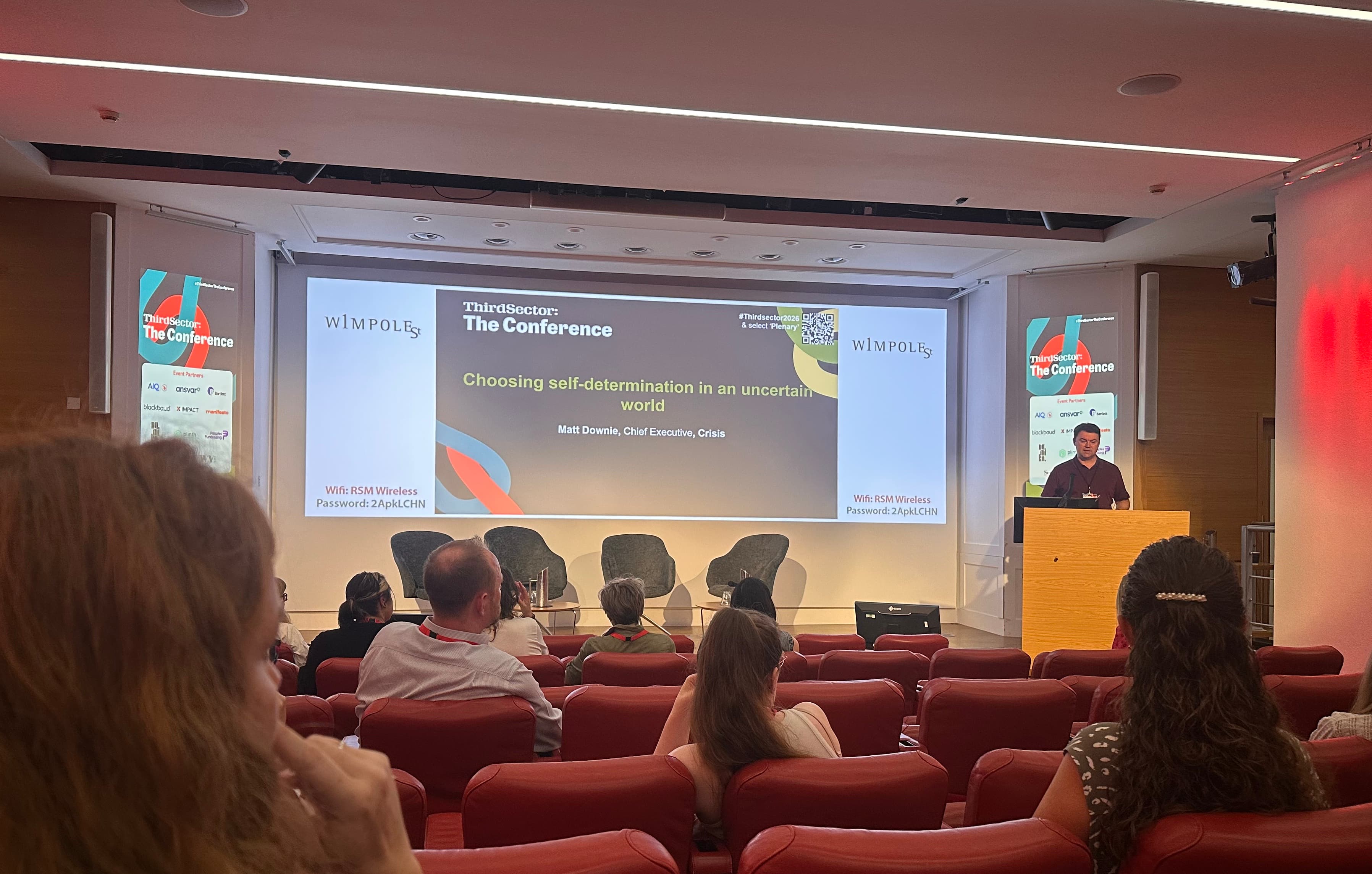

I recently attended the Third Sector Conference, a really insightful and thought provoking couple of days! The overarching theme across the sessions was clear…while civil society is navigating systemic changes, polarisation and shifting funding landscapes, there is a real sense of resilience and innovation moving the sector forward.
For leaders across digital, marketing, and fundraising, the event highlighted a massive shift in how we must design experiences for both our supporters and our beneficiaries. Here are my key takeaways:
1. Radical transparency builds unstoppable supporter loyalty
Eve Riddle (British Red Cross) and Sabina Basi (ActionAid) highlighted the importance of transparency and trust-based relationships with supporters, even when it comes to having difficult conversations. ActionAid reflected on their recent decision to dismantle their ‘Sponsor a Child’ programme as it no longer aligned with their views. Their supporters were bought into their vision rather than the programme itself, proving that staying true to your core mission resonates deeply with your community, reminding us that digital supporter journeys must be built on authenticity, not just transactional mechanics.
For a deeper look at how to bridge this trust divide, check out the Mind the Engagement Gap report with its actionable short and long-term strategies and how it works in practice case studies. This includes an RNIB case study on turning service users into engaged donors with data-driven personalisation which shows how data can deepen relationships without losing the human touch.
2. Strategic advantage belongs to the agile
“Slow failure, not sudden failure, is the real risk” noted Craig Fordham at Macmillian. In a rapidly changing environment, organisations who learn the fastest, gain the strategic advantage. Whether it’s running small product test loops to innovate or reacting to huge policy shifts, like Lindsay MacDonald (Magic Breakfast) and pivoting their strategy after government legislation changed, leaders must get comfortable with ambiguity and lead with openness. In digital product delivery, this means swapping rigid 3-year plans for continuous, iterative testing.
3. Move from assumptions to co-design
“Hope stands in the way of a good strategy” reflected Matt Downie at Crisis. Innovation doesn’t come from guessing what communities need, it comes from actively listening to them. When we listen to what beneficiaries actually want, they often have the most effective solutions themselves.
By centring our strategies around real-world insights rather than assumptions, we result in long-term impact. This community-first approach is central to Trussell’s game changing and award winning digital transformation. Listening to people with lived experience of accessing food banks and its regional food banks drove a unified national response. This increased website traffic by 71%, and total website users donating
4. Tech-enabled supporter engagement
Successfully adopting AI is a key indicator of strategic success but it shouldn’t be a siloed or solo effort. Speaking on the ‘Leading in the Age of AI’ panel, Ant Haddley highlighted that balancing data preparation, ethics, and team dynamics takes time and collaboration. AI strategy must cascade from the top down right from the beginning, rather than being treated as an afterthought.
This purpose-led approach is exactly how we partnered with Blood Cancer UK. By focusing on robust data governance and user-centric design, we helped them navigate emerging tech safely, proving AI can boost efficiency without losing the human touch.
At Manifesto, we believe that navigating these systemic shifts requires a deliberate blend of human-centered design, data, and technology. Strategy is only as good as its execution. Whether your charity is looking to map deeper supporter journeys, safely experiment with emerging AI tech, or design inclusive digital platforms that put your beneficiaries first, we are here to help changemakers build the transformative digital experiences that move the sector forward.
A huge thank you to all the brilliant speakers and organisers who made the event so impactful!
Interested in translating these takeaways into action for your organisation? Get in touch with the Manifesto team today.
Read next
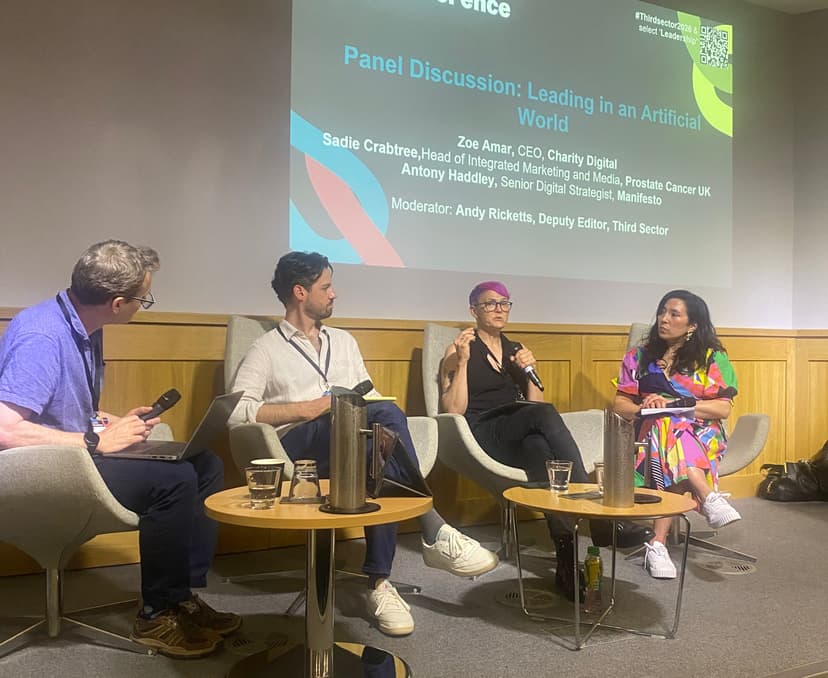
Leading in the age of AI
by Julia Murray02/07/2026Julia Murray shares AI strategy insights from the Third Sector Conference
Building the case for tech and data investment
by manifesto28/04/2026Learn to build a winning case for tech and data investment with insights from industry experts.

What should AI do? Moving from shiny tools to strategic bets for purpose-led organisations
by Louise Lai27/04/2026Louise Lai shares insights and practical actions from a recent AI inspiration day hosted by Disasters Emergency Committee